

The Intersection of Luck and Strategy in Gambling
When it comes to gambling, many individuals believe that luck reigns supreme. This perception often overshadows the vital role that strategy plays in achieving success. While it’s true that elements of chance are inherent to games of chance, the art of gambling is not merely about waiting for fortune to smile. Effective strategies can significantly enhance the outcomes, especially when players consider options like the fast withdrawal casino experience, transforming a gambling experience from a simple game of luck into a calculated endeavor that can generate favorable results over time.
The balance between luck and strategy can be illustrated through various games, such as poker and blackjack. In poker, for example, players must make split-second decisions based on their cards, their opponents’ behaviors, and their understanding of probability. While luck might dictate the initial hand dealt, a well-crafted strategy concerning betting, bluffing, and reading opponents often determines the final outcome. This highlights the necessity of melding instinctive choice with strategic thinking.
Similarly, in blackjack, players employ mathematical strategies like card counting and probability calculations to inform their decisions. Though the game involves a degree of luck with the cards that are drawn, a strategic approach can lead players to make wiser choices, ultimately minimizing losses and maximizing wins. Thus, understanding the interplay between luck and strategy can profoundly affect a player’s performance and, in many instances, their overall enjoyment of the game.
Strategic Decision-Making in Casino Games
Strategic decision-making is the backbone of effective gambling. In many casino games, players can adopt various techniques to capitalize on their advantages, reducing the house edge and improving their odds over time. For instance, in games like baccarat or craps, understanding the rules and betting options can significantly influence results. A strategic selection of bets, coupled with a solid understanding of the game dynamics, can maximize a player’s chances of success.
Moreover, seasoned gamblers often employ bankroll management strategies to ensure that they are not risking more than they can afford to lose. Setting limits and adhering to them, as well as understanding when to walk away, are critical elements of a successful gambling strategy. A disciplined approach not only prevents emotional decision-making but also enhances the enjoyment of the experience, allowing players to engage in gambling responsibly.
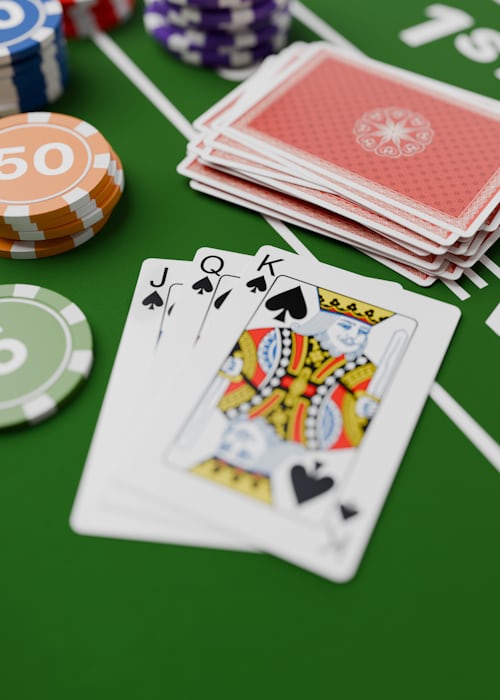
Additionally, the significance of player psychology cannot be undervalued. A strategic gambler recognizes the psychological aspects of their choices and emotional responses, both in themselves and in others. Using psychology to navigate the gaming table can include reading the atmosphere, detecting tells in opponents, and knowing when to push the limits or when to play conservatively. Mastering these psychological elements can provide a competitive edge that luck alone cannot achieve.
The Importance of Game Knowledge and Skill
An in-depth understanding of each game’s particular rules, strategies, and odds is crucial for any gambler serious about improving their performance. Every casino game offers unique mechanics, and players who take the time to study these aspects will find themselves better equipped for success. Knowledge empowers players to make informed decisions and increases their chances of outsmarting less-informed opponents.
For instance, in poker, knowledge of hand rankings, betting structures, and opponent tendencies is essential. Players who can analyze the dynamics of the game and adjust their strategies accordingly have a higher probability of winning. Furthermore, advanced techniques such as game theory and expected value calculations can provide additional layers of insight, allowing players to navigate complex situations with clarity and confidence.
In games such as roulette or slots, where the element of luck is more pronounced, strategy still plays a crucial role in managing bets and expectations. Understanding the odds of different bets and using strategies like the Martingale system or flat betting can help players mitigate losses and extend their gameplay. Ultimately, knowledge and skill act as force multipliers, enhancing the potential rewards of gambling and counterbalancing the role of luck.
The Role of Discipline and Emotional Control
Discipline is a critical element of successful gambling strategy. Without it, players may succumb to impulsive decisions driven by excitement or frustration, which can lead to significant losses. A disciplined gambler sets clear goals and adheres to a predetermined plan, ensuring that their decisions are based on logic rather than emotion. This level of control enables players to navigate winning and losing streaks more effectively.

Emotional control is equally important, as it can heavily influence decision-making. Players who allow emotions to cloud their judgment, whether through overconfidence after a win or despair after a loss, may find themselves making rash choices. Developing emotional resilience and staying focused on the strategic plan can significantly enhance a player’s performance over time. Learning how to handle the psychological highs and lows of gambling is a skill that can lead to a more enjoyable experience.
Furthermore, integrating relaxation techniques, such as mindfulness or meditation, can help players maintain focus and manage stress. By fostering a calm and concentrated state of mind, gamblers can approach their game with clarity, allowing them to implement their strategies effectively. The interplay of discipline and emotional control can ultimately serve as a distinguishing factor between average players and those who consistently perform well.
Your Guide to Strategic Gambling
For those seeking to deepen their understanding of the strategic elements of gambling, numerous resources are available. Engaging with experts, reading literature on game strategies, and participating in forums can provide players with invaluable insights. Moreover, practicing with free online games can help develop skills without risking real money, allowing players to refine their strategies before betting in high-stakes environments.
Consider utilizing online platforms that offer tutorials and guided gameplay to enhance your strategic knowledge. Many websites provide simulations and analyses of various strategies, enabling players to explore and develop their own approaches. Emphasizing an educational mindset while engaging in gambling can lead to a sharper understanding of risks and rewards.
Ultimately, the integration of strategy into gambling transforms merely fortuitous encounters into informed decision-making. By focusing on the role of strategy, gamblers can elevate their experiences and increase their chances of long-term success. Understanding how to align strategic thinking with the inherent elements of luck will not only enhance individual performance but will also create a more rewarding and enjoyable gambling adventure.
